Showing posts with label Agric and Food Security. Show all posts

Monday, April 12, 2021

CHECKING UNSAFE FOOD PREPARATION HABITS: BY MOSES AMADI


The Journal of the Academy of Nutrition and Dietetics in its recent report, described eating out or too much ordering of food as possible causes of death. This report is corroborated by experts who believe that there are chemical substances which cause contamination and therefore make food unhealthy for human consumption especially during preparation and processing. The importance of food safety in this country cannot be overemphasised. 

As a result, attention should be paid to food security which can be achieved when consumers have physical, social and economic access to sufficient, safe and nutritious food to meet their dietary needs and food preferences for an active and healthy life. However, the rate at which Nigerians are unsuspectingly consuming foods that are prepared with harmful substances is disturbing. Restaurants, eateries and households in a bid to make cooking faster, use injurious items referred to as tenderizers such as paracetamol, nails, kerosene, tyres, potash, detergents or cleaning agents (to boost fermentation of cassava or prepare foo foo also known as ‘akpu’), among others. With modernity and the changing role of women, many are either guilty of, or complicit in this unwholesome practice by way of saving cost and time. Some do it out of ignorance while others do so deliberately, and it becomes a habit.

Some of such cooking practices emanate from cultural systems and traditions. Some women cook because of the way they were brought up. For instance, in a particular community, fish could be cooked for a whole day in an earthen pot so that the bones will crumble along with the flesh, not minding the overcooking. Such cooking pattern will obviously be different when compared with a belief system which emphasises that fish could be cooked for about an hour and then used for pepper soup, for instance. In this connection, accommodating difference and dissent will become a challenge. While one believes one’s method is a reality that cannot be changed, the other believes such experience is the standard for misery. 

Experts reveal that benzene is one of the by-products of the degradation of paracetamol. For better understanding, benzene is equally the smell one inhales at petrol stations. It is poisonous and carcinogenic, meaning that it causes cancer. But the pharmacist is able to convert benzene into a useful product or drug called paracetamol. Using paracetamol as a tenderizer in cooking, means degrading and destroying the process of producing the drug, hence freeing up benzene that converts the paracetamol into a more deadly form. In other words, when paracetamol is heated, its components that have been put together under an ideal condition are disassembled.

Every food or drug that we take has limits of acceptability. That is why in the pharmaceutical world, it is said that all drugs are poisons. It is a question of dosage. The dosage that will prevent death is different from the one that will cause loss of life. Health practitioners say the reason why 500mg paracetamol, for example, is recommended is because the pharmacist has done their laboratory research that enables them give out information through a literature leaflet in the drug pack containing laboratory investigation including the therapeutic dose that can cure a particular ailment. Drug abuse and misuse is not only limited to the use of tramadol, codeine, among others. The habit of using paracetamol as a tenderiser is also a form of drug abuse and misuse because there is no mode or mechanism of regulating the dose.

Medical authorities warn that paracetamol is not for everybody. Because of some people’s lifestyles and health issues, they are not allowed to take paracetamol. Such persons include pregnant women because the babies’ organs are just developing, and their exposure to harmful chemicals is detrimental. Alcoholics, those with compromised liver, among others, are also exempt from taking paracetamol. These people are encouraged to talk to their doctors before taking paracetamol if need be. But when paracetamol is incorporated into the food system, it becomes dangerous as these restrictions are removed. Pomo (animal skin) is injected with chemicals or potash to soften it during cooking. Since the chemical stays in the skin of the pomo even though some argue that it is superficial, it becomes dangerous.

Industry practitioners are of the view that people who are at risk of hypertension, should not consume food items such as beans cooked with potash. It raises risk of hypertension and complicates hypertensive condition. As a remedy, one can pick the dirt in beans, wash, soak and leave it in the refrigerator overnight. By the time it is placed on fire, it won’t take that long to cook. Slow cooking is the way to go. Food issues are very delicate in the sense that whatever is consumed, determines whether one lives or dies. Adding substances while cooking is highly toxic and could lead to devastating health challenges. The liver can be damaged which adversely affects other vital organs of the body.

Research indicates that the liver is the organ which metabolises or breaks down the drug that we take in, so that the useful part can go to where it is needed and do the job it is supposed to do. The liver takes out toxic products but when it is given excess work to do, it can shut down and the kidney can be compromised. When the liver is unable to carry out its assignment, it collapses. Health specialists say carbon-monoxide from generator fumes and other sources can kill because it has higher affinity to blood (haemoglobin) than oxygen. In science, it is called “shifting the curve to the left.” In the same manner, the affinity of paracetamol to blood is even higher than that of carbon-monoxide to blood. This forms a very harmful compound which can cause immediate liver failure. 

Findings reveal that in using nail as a tenderiser, radicals or chemicals such as iron and lead are freed or released and they go into the body to do all kinds of harm. This is achieved through a leaching process where some of the trace elements of the nail can act as a catalyst that speeds up certain chemical reactions. According to experts, lead causes madness because it affects the brain. Tyre roasting is bad because tyre contains some chemicals. The dripping of liquid or juice from the meat and the fat mixes with the flame. They rise with the smoke and infuse into the tissues of the meat. What you have in the end is poison. This complicates health matters as records show that there are more cases of liver, renal and kidney failures than was the case in the past.

However, studies show that there are available natural tenderisers such as the juice extracted from pawpaw leaves, the middle stock of the pineapple, among others. These natural ingredient-based tenderisers can also be converted into powder forms at the industrial level. Industry experts should find a way of utilising research results already domiciled in the academia. These can be developed into diagnostic tools that will serve as markers to ascertain the presence or otherwise of paracetamol and other toxic substances in food items. Health analysts suggest that beans pudding (moimoi) should not be wrapped in cellophane, nylon, aluminium containers, among others. The way to go is to use natural broad leaves to wrap moimoi, okpa, among others, and cook, just like the way agidi is prepared.

The problem we have is lack of proper sensitisation mechanism. As a nation, there is a need for a deliberate action or policy to begin to address the use of drugs and other harmful elements in cooking. It is time to bring these unhealthy food practices to public consciousness, and put measures in place to curb such excesses of individuals trying to cut cost at the detriment of innocent food-loving Nigerians. 

Additionally, it is pertinent to increase the expertise and capacity of food regulators to improve compliance and sanitary requirements in food processing enterprises. Government on the other hand, should make more robust, its cooperation with the private sector to implement a Hazard analysis and Critical Control Points (HACCP)-based food safety management system in line with international requirements for food hygiene practices.

Friday, October 16, 2020

Achieving food security and ending hunger: By Moses AMADI


The Food and Agriculture Organisation (FAO) has designated the world as a hungry planet with more than two billion people worldwide without sufficient access to food. This is even as the world population is estimated to hit 9.7 billion in 2050 in another 30 years.

FAO supports all forms of production including large scale responsible investments in agriculture. Last year, the organisation and the African Union (AU) released a report on the state of under-nourishment on the continent which showed that 256 million people in Africa suffered from under-nourishment.

This was driven largely by conflicts, weather patterns, long droughts and the economic downturn that globally impacted on the continent. This has been worsened by an exceptional moment occasioned by the pervasive impact of the Covid-19 pandemic which has caused spike in food prices, and inability of people to meaningfully produce, trade and market their produce. This decreased access to food with the lockdown and restrictions in movement, increased the number of hungry people.

The federal government and other relevant stakeholders have partnered the UN to get a grasp of the number of hungry people in the country. That process is ongoing in the northern states of the country particularly the north-east because of the region’s challenging security situation.

FAO statistics show that the last poverty survey carried out in those states otherwise known as the ‘base states’ before the Covid-19 pandemic, indicated that there were 3.7 million people who were hungry. After the Covid-19 pandemic, an additional 600,000 people were added on, making a total of 4.3 million people who really required assistance in the region.

Recent statistics from FAO reveal that 9.8 million people in the Federal Capital Territory (FCT) and 16 states of the federation are suffering from hunger, with 13.9 million people projected to go hungry in 2021.

According to FAO, there is no country in Africa that is making progress with regard to ending hunger. The report that the organization released clearly shows that Africa is off-track in realizing the zero-hunger objective of the Sustainable Development Goals (SDGs).

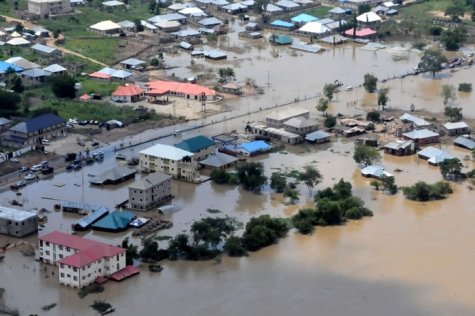
Flood impacts on food security. FAO and the World Meteorological Organisation recently released a publication showing over the years, the kinds of incidences that have occurred especially in the area of flooding. The increasing frequency and intensity has impacted significantly on farmers especially the smallholder practitioners who have limited access to productive resources such as large farms, irrigation facilities, among others. Sometimes, investments by smallholder farmers are seen as risky and therefore, banks don’t want to invest in smallholder agriculture. These factors increase the overall impact of food insecurity in the country.

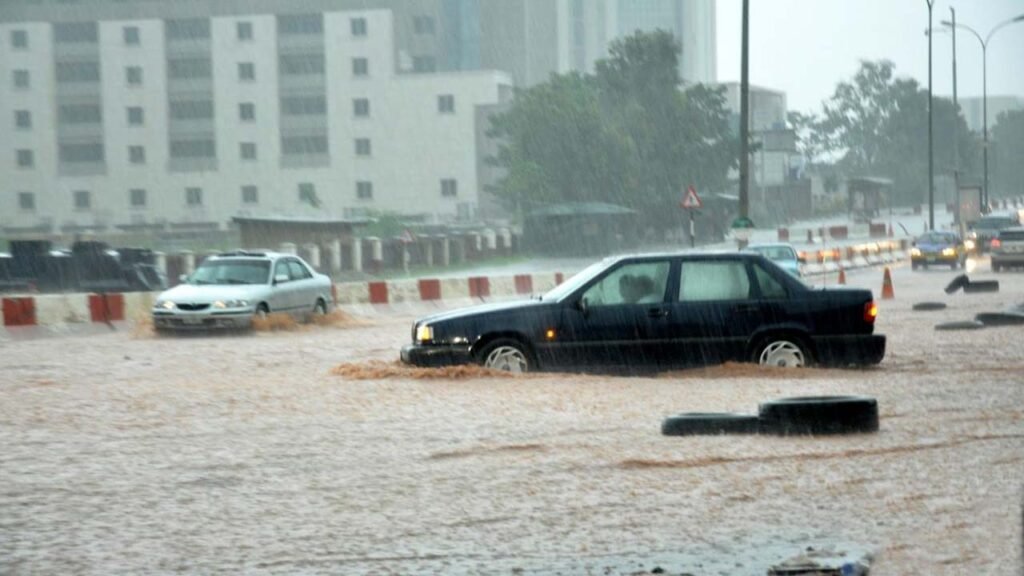
According to experts, Nigeria has basically three types of flooding annually which include urban, coastal and river flooding. Urban flooding is occasioned by blockage of drainages during local rainfall in some catchments. For instance, most of Abuja towns are flooded when it rains because many areas are paved, and there is no reasonable amount of infiltration. There is so much overland flow or run-off which generates urban flooding. Coastal flooding occurs in areas that are contiguous to the ocean. River flooding is caused by two trans-boundary rivers; rivers Niger and Benue.

River Niger takes its course from the Fouta Djallon Highlands of Guinea traversing about 4,200km before emptying into the Atlantic Ocean in Nigeria. This water flow passes about seven countries on the River Niger axis including Guinea, Mali, Niger, Benin Republic, Cote d’Ivoire and Burkina Faso and then Nigeria. The Niger Basin water resources drain down to Nigeria. On the River Benue axis, water flowing from Cameroon and Chad also discharges in Nigeria. Nigeria does not have a dam on the River Benue axis.

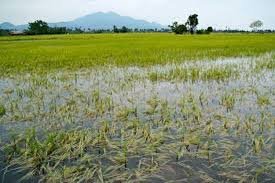
Nigeria has been dealing with incidences of crop loss and damage of farmlands by flood particularly since 2012. A particular community and its farmland in Niger state was practically submerged in flood flow from River Kaduna at the time. Homes of communities were affected where River Kaduna joins River Niger. Statistics from the Niger state government reveal an estimate of over 1,060 households that have been completely displaced because of the weak nature of community settlements. This is in addition to close to 900,000 hectares of farmlands that were completely submerged. Usually, these riverine communities produce rice, sugar cane and maize which were lost to floods. Over N4b of what was lost in terms of value of crops has been estimated.

The Nigeria Hydrological Services Agency (NYSA) consistently alerts states and communities contiguous to, especially rivers Niger and Benue, to prepare for heavy flooding each year. Earlier in the year, the Agency made predictions about flooding incidents across the country. The Agency listed local government areas that were likely to be impacted and those that might have lesser severity of flooding. Last month, the Agency recorded more than 382 LGAs across the 36 states of the federation including the FCT that were heavily impacted by flood. As early as June, flood incidents began in the country as against the usual July-August-September and part of October cycle. It began quite early this year and what we have witnessed has been quite devastating.

This year alone, farmlands were destroyed by flood in many states including Zamfara, Kogi, Anambra, Niger, Kwara, Cross River, and parts of Nasarawa. Kebbi recently lost about 90 per cent of crops estimated at billions of naira to devastating flood. Some weeks ago, flood water released from the Kainji Dam swept through the sugar factory in Niger state affecting the multibillion naira investment. The flood is said to have swept through the sugar estate and submerged the sugar cane fields. Nasarawa and Niger States have been in the news with regard to the devastating consequences of flooding. For coastal states such as Bayelsa, flooding is unfortunately a yearly experience.

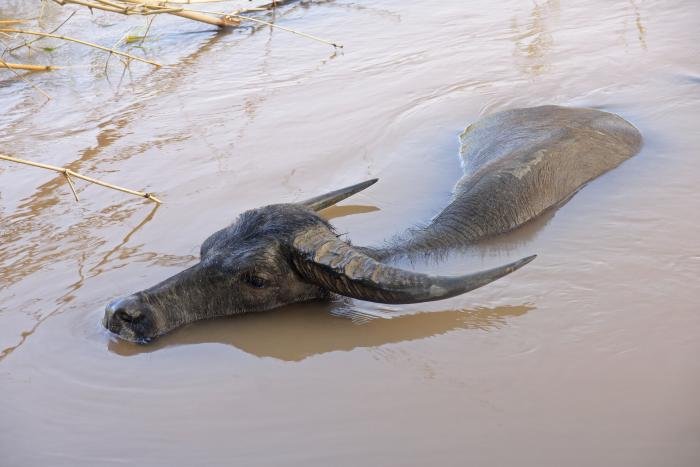
Domestic cattle during the flood in Asia ** Note: Visible grain at 100%, best at smaller sizes

Flood presents twin problems of access and availability of food. FAO estimates that agricultural crops bear some 25 per cent of the negative impact of flooding. Flooding equally causes negative shift in food security by reducing crop harvest, affecting income, destroying food and storage facilities, causing stream pollution, increasing food prices, affecting meal frequency, quality and quantity of food, among others.

While flooding seems to be receding starting from the northern part of the country, its impact on the states in this region is still quite alarming. For river flooding that commenced late August starting from Kebbi State through River Niger, and down far south, the impact is still being felt.

For Niger and Nasarawa states, flooding still takes place because the dams have not closed their gates, even though upstream in Niamey, the flood level has come down to normal. According to the Niger state government, this is the worst that the state has ever experienced in the last decade. Niger state is blessed with major rivers and tributaries including the three major hydro-electric dams  –  the Jebba Dam, Kainji Dam and Koshororo Dam. These dams overflowed this year, and communities downstream suffered devastating effects of floods. Fillers from Nasarawa state government indicate that over 200 houses were submerged because houses were built close to waterways which obstructed water released from the dams.

In the southern part of Nigeria where the rainfall is expected to cease sometime in December, river flooding, urban flooding and coastal flooding are still being expected. All these factors have heightened fears of a potential food crisis.

Industry watchers have attributed the increasing flooding to climate change which is a global issue. As part of measures to check this, the Hydro-Electric Power Producing Areas Development Commission (HYPADEC) needs to be activated to extensively look at the requirements of communities in dealing with issues of annual flooding, permanent settlement of communities, among others.

Experts say, on the aggregate, Nigeria loses over 200 billion cubic metres of fresh water annually. This is a very big resource that if managed well, the country will blossom in various sectors.

Nigeria needs to manage its floods and flooding well for purposes of enhancing food security. In guarding against food shortage, it is important to broaden actions and the scope of managing the environment with regard to early warning predictions from NYSA and the Nigerian Meteorological Agency (NIMET) to respond to likely effects of flooding. States that are prone to annual flooding need to be supported. Permanent solutions to flooding have to be sought. Giving palliatives every year won’t go a long way. This is the dimension the Federal Ministry of Agriculture and Rural Development, and the Federal Ministry of Water Resources need to align with the states.

In the management of large water body systems, there is a need for research for purposes of information on the type of crops to plant on flood plains in creating livelihood development frameworks. Time has come to embrace all-year-round agriculture production so that farmers can augment what they may have lost due to flooding.

Water bodies should be utilized more efficiently for irrigation. This can enhance dry season farming. The water pumps distributed to farmers for irrigation purposes in flood-prone areas may be helpful. Such irrigation equipment sold at almost 75 per cent subsidy to farmers by the Federal Ministry of Agriculture and Rural Development, could be useful to farmers in achieving availability and affordability of food resources in ramping up food security nationwide.

Flooding should be seen as a major asset and converted to the farmers’ advantage for greater economic impact. For instance, fish farmers can maximize the benefits of floods by utilizing this natural resource to support their livelihoods.

In addressing the food security needs of the population, it is necessary to increase potential for productivity especially for smallholder farmers in terms of access to improved agriculture inputs such as seeds, fertilizers, management practices, among others.

To further boost the productivity of smallholder farmers, mainstreaming them is a significant part of the equation that could lead to sustainable food security for Nigeria and perhaps other countries in Africa. The role of smallholder farmers should be recognized, and deliberate investments targeted to increase their productivity at the lowest level of the agricultural chain.

Smallholder farmers constitute the bulk of the population of farmers in the country and contribute immensely to production activities including food processing, food production and food trade. Smallholder farmers in the agri-food value chain should be empowered.

It is encouraging to note that the existing rapport between the Governors’ Forum, the Federal Ministry of Agriculture and Rural Development and other development partners is geared towards focusing on the causative factors and mechanisms of flooding in the country. In fact, some states have shown interest in commercial agriculture or small scale farming. For instance, Chairman of the National Livestock Transformation Project (NLTP) is the Ebonyi State Governor, Dave Umahi.

Riding on its 2030 template of building together and leaving no one behind, it is hoped that the FAO will engender growth, nourishment and sustenance of agricultural practices. This can contribute in galvanising action towards ensuring sustainable food security and nutrition in line with the theme for this year’s World Food Day which is “Grow, Nourish, Sustain.”


Moses, Publisher, Researcher, Biographer, Phonetics Instructor, Managing Consultant, Legacy BookMedia, Lagos

Wednesday, July 29, 2020

Nigeria’s Food Security and the Challenges of Post-Harvest Losses: By Moses Amadi


food security farmers

Lagos State Governor, Mr Babajide Sanwo-Olu announced that the state is unveiling its five-year agricultural master plan to boost food production in the state. He disclosed this at a recent event with the theme, “Implementation of Exploratory Dialogue of the United Nations Food Systems Summit in South-West Geopolitical Zone.”

According to the governor, “You will agree with me that the government alone cannot ensure the sustainability of our food system in the nation. It requires combined efforts of all stakeholders within the food system. I, therefore, use this opportunity to appeal to our financial institutions to make funds in the form of loans and grants, readily available to farmers and other stakeholders within the system to expand and implement those ideas that can make our food system more sustainable.”

All these submissions could amount to non-solution if perennial rainfall or flooding is not addressed.

Depending on the part of the country and other variables, the rainy season commences largely from April to the end of October (sometimes going into the last two months of the year). At the beginning of the planting season last year, the Federal Ministry of Agriculture flagged off input distribution in some geopolitical zones across the country, thereby kicking off and encouraging farmers to commence the farming season. From the north to the south, agricultural activities heighten strictly at this time of the year.

The rainy season is often characterised by low temperatures, sometimes with abnormal rainfall patterns. This results in flooding which should naturally be an advantage to be capitalised on.

Regrettably, flooding in Nigeria has taken a new dimension. No state is entirely free of floods. Flooding has become injurious to some crops which ordinarily require just a desirable amount of water for them to flourish, as there are stories of farms that have been flooded and a lot of losses incurred. No thanks to climate change.

Conversely, some specific crops are suitable for planting during this season. In other words, there are crops that can grow within the flood plain, while others cannot.

Flooding is a universal phenomenon. But when farmers lose their livelihood through heavy rain and flooding, it is a sorry state of affairs. It affects the food system and non-farmers also suffer the calamity. Sometime last year, the Hydrological Services Agency and the Nigerian Meteorological Agency (NIMET) warned of devastating flood. It was reported that at least, 102 Local Government Areas in some 28 states of the federation would be heavily impacted.

Farmers in most parts of the country usually gear up to take advantage of the rainfall by tilling and preparing their farmlands in readiness for the farming season. This is usually effective from March when farmers survey the chain cycle for effective food production.

There are indications that an estimated 60 per cent increase in food production will be required by the year 2050 to feed the global population. Ultimately, more is expected from the agricultural sector to increase farm yield and contain post-harvest losses which remain one of the major drawbacks of Nigeria’s food security architecture.

Farming activities during the rainy season ensure the abundance of food crops, but because of lack of storage infrastructure and other facilities, most of the harvest is lost. Sub-Saharan Africa has been described as having huge food security concerns as the majority of food waste occurs at the post-harvest stage. Some crops perish on the farm during harvest gathering, and others occur while the commodity is in transit.

Post-harvest loss is a major problem for all farmers, especially smallholder farmers. The major problem with subsistence farming in Nigeria is the lack of support and infrastructure. If smallholder farmers are provided with driers, processing machines, among others, rice, for instance, produced locally will compete favourably with its foreign counterpart.

Regrettably, statistics emanating from the All Farmers Association of Nigeria (AFAN) suggest that interventions from the Central Bank of Nigeria (CBN) and Federal Ministry of Agriculture, will only cater for a maximum of 2 million farmers out of the total number of 14.5 million farmers.

Former Minister of Agriculture, Akinwumi Adesina, now President of the African Development Bank (AfDB), was perhaps the initiator of value addition in agricultural produce. But local farmers are not adequately equipped to take advantage of value processing and value chain in agriculture. Most of the subsistence farmers sell at a loss. They are shortchanged by their involvement in commodity trading. They lack the technology and machinery to harvest crops. They lack good storage facilities, sufficient power, transportation capacity, among others.

Experts reveal that in 2013, losses were put around 78 per cent but with advocacy and improvements from the Federal Ministry of Agriculture, it has been reduced to 50 per cent. Recent statistics show that post-harvest loss is put at 30-50 per cent loss for grains, while other commodities record over 50 per cent loss.

Some farmers, especially in the north, dry their grains on the roadside. That is part of the reasons why little stones are found in rice and some other grains. The commitment of AFAN in addressing the situation in this regard deserves commendation. According to the association, about two years ago, it participated in some arrangement to guard against post-harvest loss by collaborating with universities and the private sector to bring about ways to dry crops and store them.

Pests and worms destroy farm crops, causing farmers to use agrochemicals to reduce the impact of damage on grains more particularly rice, beans, millet, among others. The use of agrochemicals as part of inputs in agriculture is sometimes abused by local farmers. Many of them lack the basic knowledge and training to apply the required quantity of agrochemicals on grains. This affects the taste of the grain which becomes toxic to the body.

It is unfortunate that in the 21st Century, there are still talks of farmland as a basis for a bumper harvest. Time is now to talk about programmes that are actionable and can give answers to the frequently asked questions by farmers.

It is important that stakeholders in the agricultural sector imbibe the culture of looking inwards and working towards those factors that are necessary to enhance agricultural production. There are critical federal government ministries that can play key roles in achieving this objective.

Whatever farming methodology that does not fit into the national development project is lost in attrition. The Ministry of Budget and National Planning comes in here. Many do not know that agro-forestry is perhaps the biggest component of agriculture and produces economic trees. This is under the control of the Ministry of Environment.

The Ministry of Water Resources is responsible for providing water bodies and dams for agricultural purposes. There are collaborations with the National Institute for Pharmaceutical Research and Development (NIPRD) on the production and utilization of medicinal plants. NIPRD is under the Ministry of Health and so this ministry is also a very important component of agriculture in Nigeria.

Authorities of the University of Abuja have disclosed that the institution has 11,000 hectares of land — the majority of which is lying fallow. Many universities in Nigeria also have large expanses of land that other people are encroaching into because the lands are not put to use. Government is in a position to come up with partnership programmes to ensure that mechanised agriculture can be practised on lands that are not being used.

Right from the beginning of the farming season, farmers should have a plan for their farms. Experts advocate that the first and most important plan is land mapping. The moment the land is mapped out, it gives a clear idea about per hectare yield. The second factor after land mapping is land preparation where fertilisation, irrigation and suitability, technology and support system are emphasised. Perhaps it is time to revert to the old order when the soil was investigated before cultivation, with support from research institutes. In other words, stakeholders need to go back and build at the local, ward and community levels so as to get data of farmers and know what their lands can best yield vis-à-vis the comparative advantages.

Stakeholders can take advantage of what the Agriculture Research Council of Nigeria is doing. The Council has over 2,700 research outputs documented, printed and produced on practically all types of cropping. Besides, there is a medicinal institute under the Ministry of Science and Technology, which has six volumes of about 3,000 pages each of medicinal plants arranged according to zones in Nigeria.

The Federal Government should create the enabling environment in terms of policy direction and invest more in agriculture so that smallholder farmers can enhance their productivity by mitigating the post-harvest losses that they incur.

A very strong policy on upscaling agricultural production in Nigeria should be centred on the sub-national entities. The sub-national entities have a responsibility to construct feeder roads that link the farms to the markets.

The Food and Agriculture Organisation (FAO) deserves commendation for providing small cottage processing infrastructure to farmers in some states in the northeast and northwest. The farmers are already forming cooperatives. This is the direction that the government should go so that other parts of the country can equally benefit.

More so, water is life and agriculture thrives on water and water management. It is all about water conservation. What we see as much rain is what some countries are earnestly looking forward to. Countries like Indonesia are engaged in what is referred to as “rain harvesting.” In other words, when there is rain, they harvest the water for agricultural purposes.

What we should be doing as a country is to turn this seeming disadvantage occasioned by flooding into a positive outcome. The aim is to attain all-year-round agriculture with the aid of hand pumps and large water bodies, and upscaling irrigable lands, among others. This is so that food supply will be readily sufficient to feed the country first and perhaps support other neighbouring countries. Recall that despite the challenges in the agricultural sector, Nigeria has been supplying food to Niger Republic and some parts of Ghana.

Read Also: Playing Politics With Food: The Agro-Traders Union and the South

Nigeria is in a position to feed Africa because of the country’s arable land. Regrettably, many of the country’s research efforts end up on the shelves because most of the findings are not adopted. We need to get to the point of tapping into research findings and outcomes and see how they can be implemented.

Technology and tractorisation of agricultural practice in Nigeria are some of the aspects that are required not just to manage flood, but also ensure commercial, modernised and mechanised farming with a view to improving agricultural productivity. The use of technology to support production should be promoted. In doing so, one is able to identify clearly the challenges, strengths, weaknesses, and opportunities in the agricultural sector. There is a need to develop a technology that can give us a comparative advantage on this free resource called flooding. When it is channelled properly, it becomes very useful.

Educating the farmers on flooding and agriculture has suffered a setback partly due to the collapse of extension service in Nigeria. It is cardinal to the problem of post-harvest losses. The technology from research institutes is supposed to be passed on to the farmers through the extension agents and Agricultural Development Banks (ADBs). Regrettably, the manpower required to do effective extension work is lacking. There is a need to recruit more extension agents that will pass on these technologies to the farmers. All these factors should be harmonised to help Nigeria to build and sustain her food system.

Davido and Message of Freedom

 “Tule” is a punchy, one-word exclamation propelled into popular culture by superstar Davido. The term has become a rallying cry for freedom...